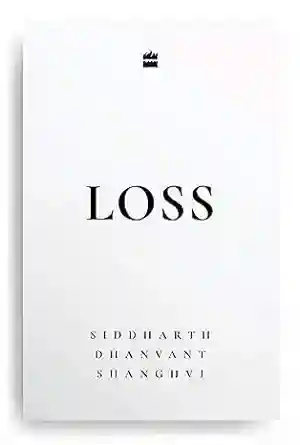
Book Title: Loss: Essays
Author: Siddharth Dhanvant Shanghvi
Publisher: HarperCollins
Number of Pages: 160
ISBN: 978-9353575984
Date Published: Nov. 24, 2020
Price: INR 355
Book Review
Siddharth Dhanvant Shanghvi’s “Loss” is a poignant exploration of grief, articulated through a collection of essays that delve into the author’s personal experiences with the deaths of his mother, father, and beloved pet dog, Bruschetta. The book opens with an arresting statement that evokes the raw pain of loss, immediately drawing readers into a shared understanding of bereavement. Shanghvi’s writing is both elegant and incisive, employing metaphors that resonate deeply, such as comparing the contemplation of death to “plunging your hand into a pond,” where one encounters shapes that defy naming. This vivid imagery sets the tone for a reflective journey through sorrow and healing.
The first essay focuses on the author’s father, Mr. Dhanvant, whose battle with cancer and subsequent loneliness are recounted with tenderness and honesty. Shanghvi recalls intimate moments from their shared life, such as his father’s unwavering support during routine dental visits and school drop-offs. These memories serve not only to honor his father’s legacy but also to illustrate the profound impact of their relationship. This sentiment underscores the duality of loss—wherein two deaths occur: the physical departure and the transformation of those left behind.
Check out our Latest Book Reviews
In the second essay, Shanghvi reflects on his relationship with Bruschetta, emphasizing how pets can penetrate our loneliness and offer companionship in our darkest moments. The narrative captures the joy and pain intertwined in their bond, culminating in vivid recollections of Bruschetta’s presence and absence. The author articulates a universal truth about grief: it is not merely a record of what has been lost but rather an acknowledgment of who has been loved.
The final essay is dedicated to his mother, Padmini, whose strength and resilience shine through even amidst her suffering. Shanghvi paints a portrait of a woman who maintained her spirit despite the challenges posed by her illness. He recounts her laughter that momentarily drowned out sorrow and her creative expressions through poetry and letters. This section resonates profoundly as it poses existential questions about life and death while celebrating the enduring bond between mother and son. The author’s reflections on his mother’s wisdom reveal insights that transcend personal grief, offering readers solace in their own experiences with loss.
“Loss” is not just a memoir; it is an invitation to reflect on the nature of love, memory, and the indelible marks left by those we cherish. Through his lyrical prose and evocative photographs interspersed throughout the essays, Shanghvi crafts a mirage of words that is both personal and universal.
Books are love!
Get a copy now!