A thoughtful guide to personal growth, The Book of Daily Brilliance: 111 Days to Transformation offers readers a refreshing alternative to the quick-fix promises that often dominate the self-help space. Through bite-sized daily reflections, practical exercises, and gentle encouragement, the book invites readers to embrace meaningful change one day at a time. In this insightful conversation, the author shares the inspiration behind the book’s unique 111-day format, the personal experiences that shaped its wisdom, and the simple yet powerful practices that can help us navigate fear, self-doubt, stress, and uncertainty with greater resilience and self-compassion.
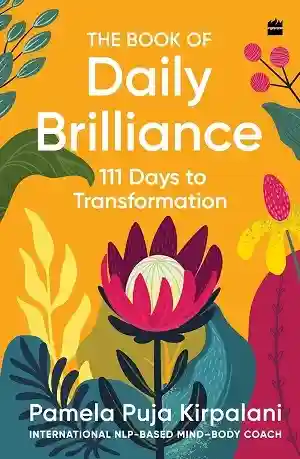
“The Book of Daily Brilliance” is designed as an 111-day journey rather than a traditional self-help book. What inspired you to structure it this way, and what do you hope readers gain by taking it one day at a time?
The truth is transformation does not happen like one huge lightning bolt. But ironically, we often approach personal growth the way we approach New Year’s resolutions: jump into them, feel motivated for a few days, then slowly slip back into old patterns. But neuroscience tells us something different- lasting change comes through repetition. The brain rewires itself through consistent exposure to new ways of thinking, not through a sudden overload (especially of information). That’s why I chose 111 days. Each page takes less than two minutes to read, but it gives you one idea to carry into the rest of your day. I wanted readers to stop binge-reading wisdom and startactually living it. My hope is that by Day 111, they don’t just simply remember what the book said. I wanted the readers to notice that they respond differently to stress, speak to themselves more kindly, recover more quickly from setbacks, and realise they’ve quietly become someone stronger than they were when they began.
Ironically, I don’t think we need more information. We need more integration and practice. Every morning I begin with meditation and breathwork before I reach for my phone. – Pamela Puja Kirpalani
Your book discusses emotions such as fear, self-doubt, stress, and overthinking with remarkable simplicity. How did your own life experiences shape the insights you share in these pages?
None of these ideas came from sitting in a room trying to preach wisdom. They came from really living them. Like everyone, I’ve experienced loss, heartbreak, uncertainty, rejection, self-doubt and moments where my own mind became my biggest obstacle. But over the years, I’ve learned that our minds are incredibly persuasive storytellers. They’ll convince us that our feelings are facts, that our fears are permanent, and that the good times don’t always last. Working with thousands of coaching clients over the past decade has also shown me something profound and somewhat reassuring- that beneath our different circumstances, our human struggles are surprisingly similar. We all want to feel enough. We all fear losing people we love. We all question ourselves more than we admit. We are all to some extent afraid of what people would say or think about us. The book isn’t about pretending difficult emotions don’t exist. It’s about learning that you can experience fear without becoming that fear. You can have anxious thoughts without believing every one of them. And that we are allowed to be or feel more than two things at once. These distinctions change everything.
Many readers today struggle with constant distractions and information overload. What daily practices do you personally rely on to stay grounded and emotionally balanced?
Ironically, I don’t think we need more information. We need more integration and practice. Every morning I begin with meditation and breathwork before I reach for my phone. That small commitment to myself changes the quality of my entire day because it allows me to hear my own thoughts before the world arrives at my doorstep! In fact, I have even taken it further to resist looking at my messages until my morning walk is done. Movement is another non-negotiable for me. Whether it’s strength training, Pilates, a long walk or simply being outdoors, I’ve learned that emotions don’t only need to be processed mentally. They also really need to move through the body. And perhaps the simplest practice of all is paying attention to the stories I’m telling myself. When I notice my mind spiralling into “what if”, I gently replace it with “even if.” I talk about this in the book. It’s a small shift in language, but a profound shift in psychology. “What if” imagines catastrophe or the worst-case scenario. “Even if” reminds me of my resilience, and that I have choices in my life to deal with whatever comes my way.
The book combines reflections, breathing exercises, and journaling prompts. How did you decide on these practices, and why do you believe they are effective tools for personal transformation?
I’ve spent years studying psychology, neuroscience, NLP and emotional wellbeing, but I’ve also learned that people don’t transform until they are ready. And when they are ready, that is when they are able to understand a concept intellectually. But understanding a concept is not enough. Practicing it makes it real. Self-awareness and reflectionhelps us become aware of our automatic thinking. Breathing regulates the nervous system so we can respond rather than react. Breathing also gives us time to pause, and process things like ‘would we rather be happy or right?’ Journaling slows the mind down enough for clarity to emerge. Each practice serves a different purpose, but together they create something powerful. I believe all wellness practices need to engage both the mind and the body. So, I deliberately kept every exercise simple because I wanted this book to fit into real life. If transformation feels complicated, most people won’t sustain it. But if someone can spend just a few intentional minutes each day reconnecting with themselves, remarkable things begin to happen over time.
Transformation is often associated with dramatic life changes, but your book emphasises the power of small, consistent steps. Have there been any reader stories or personal experiences that reinforced this philosophy for you?
Absolutely. Some of my favourite messages haven’t come from people telling me their lives completely changed overnight. They’ve come from readers or clients saying, “I handled that interaction differently from how I ordinarily would have,” or “For the first time, I caught myself before spiralling.” Those moments might sound insignificant, but they’re where transformation begins. I’ve seen the same thing in my coaching work for years. Rarely does someone’s life change because of one breakthrough session. It changes because they make dozens of tiny decisions differently. They pause before reacting to a trigger. They choose compassion over criticism, because they know they’ll feel better for it. They recover from disappointment a little faster than they did before, because they now have the tools. When enough of those moments accumulate, people often look back months later and realise they have become someone new without even noticing it happening. This is how I wanted the book to impact my readers. Incrementally, but with long lasting power.
Check out our latest Book Reviews
If readers could carry just one lesson from “The Book of Daily Brilliance: 111 Days to Transformation” with them long after they finish the book, what would you hope that lesson is, and why?
I hope they remember that they are far more resilient than their mind gives them credit for. Our minds naturally have a negativity bias- overestimating danger and underestimating our ability to cope. That’s why we spend so much time imagining everything that could go wrong, while forgetting the hundreds of difficult moments we’ve already survived. Life will always include uncertainty, disappointment and change. I have learned over the years that the only thing permanent in life is ‘change’. But the goal isn’t to eliminate those experiences. It’s to trust yourself enough to know that whatever comes, you’ll find your way through it. That shift takes us from living in fear to living with courage. Not because life becomes easier, but because we stop underestimating ourselves. And that’s a very powerful place to live in.
7. The book feels like a compassionate friend who understands without judging. Was there someone in your life who inspired you to write with such warmth and empathy, or did this voice emerge from your own personal journey?
It feels great to hear this. I think the voice emerged from both my personal journey and the privilege of sitting with thousands of people over the years. As a coach, people often share the parts of themselves they don’t show anyone else, which is such a great privilege. You quickly realise that behind confidence is often insecurity and sadness. Behind success is often self-doubt or imposter syndrome. Behind the smile is sometimes quiet exhaustion or burnout. That changes the way you see people. I wanted readers to feel as though someone was sitting beside them rather than speaking down to them. There’s already enough criticism in the world and enough pressure to have everything figured out. Growth doesn’t happen through shame. It happens when people feel safe enough to be honest with themselves. If this book feels like a compassionate friend, then I think I did my job right. Primarily because I have learned that every human being is carrying something invisible, and we all deserve a little more kindness, especially from ourselves, especially from ourselves.
As our conversation reveals, transformation is rarely the result of dramatic breakthroughs; it is built through small, intentional choices made consistently over time. The author’s message is both reassuring and empowering: we are far more resilient than we often believe, and lasting change begins with learning to trust ourselves. Through warmth, honesty, and practical guidance, The Book of Daily Brilliance serves as a compassionate companion for anyone seeking greater clarity, courage, and emotional well-being. Its enduring lesson is simple yet profound—growth becomes possible when we meet ourselves with patience, kindness, and the belief that even the smallest step forward matters.
Books are love!
Get a copy now!
Are you an author with a powerful story to tell? Pitch your new book to Storizen Magazine for exclusive author interviews, features, and book reviews at talktous@storizen.com.