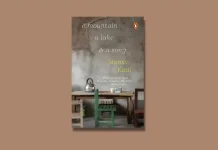


Book Title: August 17: A Novel
Author: S. Hareesh
Translator: Jayasree Kalathil
Publisher: Harper Perennial India
Number of Pages: 432
ISBN: 9369891552
Date Published: Apr. 19, 2026

Book Review
S. Hareesh’s “August 17” translated into English by Jayasree Kalathil serves as an imaginative exploration of an alternate history, presenting a scenario in which Travancore, a princely state in British India, opts for sovereignty post-1947. This innovative narrative contrasts sharply with actual historical events where Travancore swiftly joined the Indian Union. The novel, translated from Malayalam by Jayashree Kalathil, unfolds through the eyes of a spy named Bhasi, or Avarachan, allowing the author to delve into the political complexities and ideological shifts within the region.
The story portrays Travancore as a nation influenced by Hindu nationalist sentiments under the leadership of figures such as King and Diwan Sir C P Ramaswamy Iyer. Hareesh intricately weaves together real historical figures, such as political reformers and revolutionaries, including the fictionalised Basheer, who is represented not just as a writer but also as a revolutionary figure implicated in political unrest. This alternate representation further examines the interplay between literature and political activism, highlighting how stories can shape ideologies and actions.
“August 17” questions the nature of history itself, placing significant emphasis on the power of narrative as a tool of both creation and destruction. Hareesh’s work invites readers to consider whether history is a collection of facts or narratives controlled by those in power, posing profound questions about the tales we choose to tell and their impact on identity and society. Through elaborate characterization and a richly layered political examination, Hareesh’s novel encourages a fresh reading of Kerala’s history, addressing ongoing conflicts between authoritarianism and the quest for freedom.
Check out our latest Book Reviews
Overall, “August 17” is a compelling blend of historical fiction and speculative inquiry that critiques the narratives surrounding national identity. While some portions of the book may feel drawn out, its overall significance—as a reflection on political change and the nature of storytelling—marks it as an important contribution to contemporary Indian literature. It challenges readers to reconsider historical events from multiple angles, making it a thought-provoking addition to the genre.
Books are love!
Get a copy now!