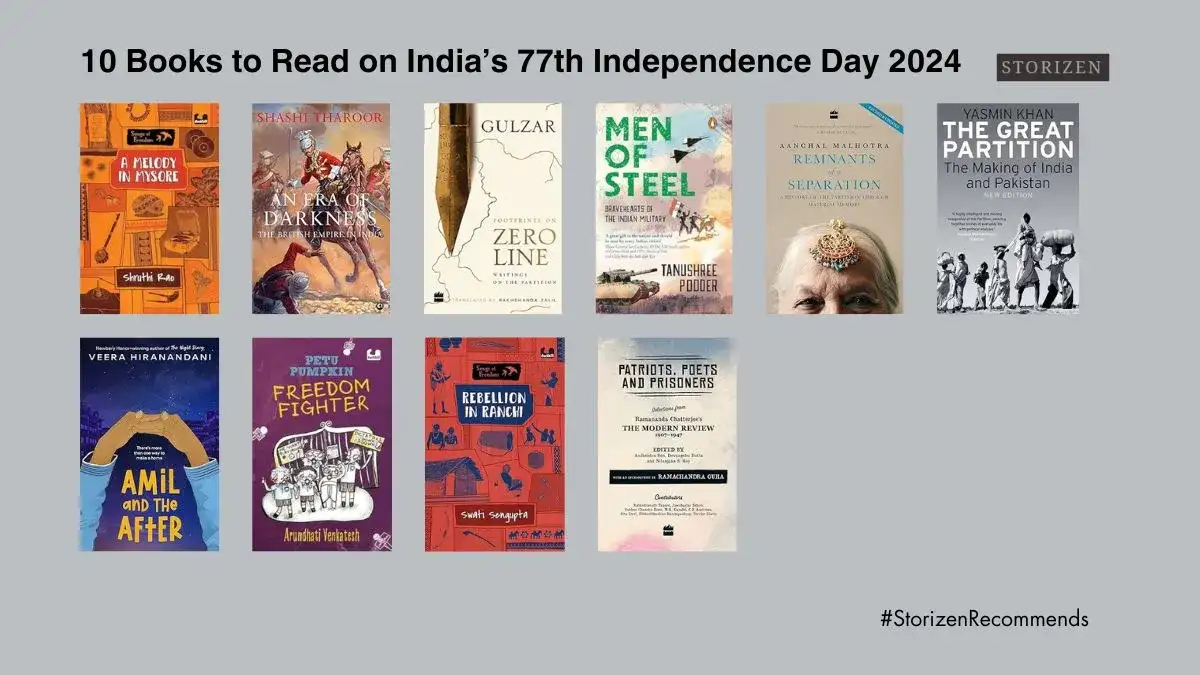
As India celebrates its 77th year of independence in 2024, the journey from colonial rule to a sovereign nation remains an evocative chapter in its history. This year, immerse yourself in the stories and perspectives that capture the essence of this transformative era through literature. Curated by Storizen in association with Penguin India and HarperCollins India, this list features poignant narratives exploring the personal toll of the Partition, stirring accounts of resistance, and more. From young freedom fighters to the hidden impacts of colonial rule, these ten books offer a profound and multifaceted understanding of India’s path to freedom. Join us in exploring these remarkable works that illuminate the enduring spirit and sacrifices of a nation forging its identity.
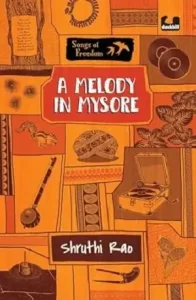
1. ‘A Melody in Mysore’ by Shruthi Rao
In 1932, while the rest of India was ablaze with the fervor of the freedom movement, Mysore remained tranquil under the benevolent rule of the Maharaja. For twelve-year-old Leela, the struggle feels distant, mere words in newspapers—until Malathi Akka moves into her neighborhood, bringing thrilling ideas, new perspectives, and a gramophone. As Leela gets swept up by these winds of change, she realizes that participation in the freedom struggle can take forms she never imagined. The Songs of Freedom series explores the lives of children across India during the independence movement.
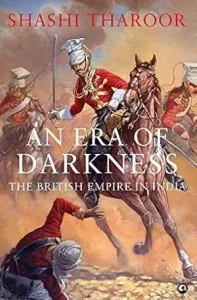
2. ‘An Era of Darkness’ by Shashi Tharoor
In 1930, historian Will Durant condemned Britain’s exploitation of India as history’s greatest crime, a sentiment supported by the deaths of nearly thirty-five million Indians from famines, epidemics, and massacres, alongside severe economic impoverishment. British control began with the East India Company in 1600, which gained power through deceit and force, exemplified by Robert Clive’s 1757 victory at Plassey and the coercion of Mughal emperor Shah Alam II. After the 1857 rebellion, the British Crown ruled until India’s independence in 1947. In “An Era of Darkness,” Shashi Tharoor reveals the extensive exploitation and destruction caused by British rule, debunking myths of its supposed benefits and highlighting how the few real advantages, like the English language and cricket, served colonial interests.
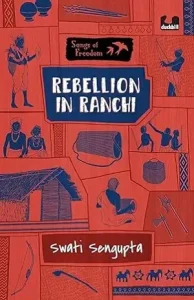
3. ‘Rebellion in Ranchi’ by Swati Sengupta
In 1915, as Sibu’s life transformed, the Oraons of Chota Nagpur’s forests began embracing the Tana Bhagat movement, challenging the injustices inflicted by zamindars and the British Raj on the Adivasis. Amidst this shift, tales of German Baba promising to aid in defeating the British and freeing both the Oraons and India stir hope. Yet, while the Tana Bhagats uphold non-violence, the encroaching threat of conflict grows ever more palpable. “The Songs of Freedom” series vividly portrays the experiences of children across India during this tumultuous struggle for independence.

4. ‘Remnants of a Separation’ by Anchal Malhotra
“Remnants of a Separation” takes an extraordinary journey into the heart of the Partition, exploring the personal stories embedded in the objects refugees carried across borders. These artifacts, once silent witnesses to a turbulent past, now emerge as poignant symbols of sacrifice, struggle, and identity. A regal string of pearls journeyed from Dalhousie to Lahore, whispers tales of lost opulence. A cherished notebook of poetry, transported from Lahore to Kalyan, reflects one woman’s unwavering commitment to her craft amidst chaos. A refugee certificate from Calcutta revives a daughter’s sense of her father’s displacement from Mymensingh Zila, now Bangladesh. Combining history with anthropology, “Remnants of a Separation” offers a unique narrative of the Partition, presented through material memories that keep the past alive, even after seven decades.

5. ‘Amil and the After’ by Veera Hiranandani
In “Amil and the After”, the moving companion to the Newbery Honor book The Night Diary by Veera Hiranandani, twelve-year-old Amil, and his family are navigating their new life in post-independence India. Despite their relocation to Bombay and his attendance at school, Amil struggles with a sense of belonging, haunted by memories of their arduous journey from what is now Pakistan. Encouraged by his twin sister, Nisha, to channel his emotions into drawings for their deceased mother, Amil’s story unfolds with a blend of resilience and hope, reflecting both his personal quest for meaning and the broader transformation of a newly independent nation.

6. ‘Patriots, Poets and Prisoners’ by Nilanjana S. Roy, Anikendra Sen, Devangshu Dutta
Founded in 1907 by the trailblazing Bengali reformist Ramananda Chatterjee, The Modern Review quickly became a dynamic stage for exploring nationalism, patriotism, history, and society. It was the meeting ground for freedom movement icons like M.K. Gandhi, Subhas Chandra Bose, Jawaharlal Nehru, and Rabindranath Tagore, and featured insights from global thinkers such as Romain Rolland and J.T. Sutherland. With its spirited debates on self-rule, gender justice, and caste inequality, alongside a rich tapestry of fiction, poetry, and personal essays, the Review was a beacon of literary and political innovation. This anthology, celebrating Chatterjee’s 150th birth anniversary and introduced by Ramachandra Guha, offers a compelling look into its diverse archives, highlighting how the Review’s historic discussions continue to resonate with today’s pressing issues.

7. ‘Men of Steel’ by Tanushree Podder
From the icy heights of the Himalayas to the searing deserts of the west and the humid wetlands of the east, India’s borders mirror its incredible diversity. In these extreme environments, Indian soldiers not only confront formidable enemies but also endure the harshest conditions. Within these pages, discover the extraordinary tales of heroes like Captain Neikezhakuo Kenguruse, Captain Keishing Clifford Nongrum, and Lance Naik Albert Ekka, whose valor rivals that of Lieutenant Arun Khetarpal, Naik Digendra Kumar, and Major Sandeep Unnikrishnan. Covering pivotal events such as the 1971 Bangladesh Liberation War, the 1999 Kargil War, the 26/11 Mumbai attack, the Balakot airstrike, and the 2020 Galwan Valley clash, these eighteen warriors have consistently prioritized their nation above all, their sacrifices and bravery echoing within the Indian Military Academy and the hearts of the Indian people.
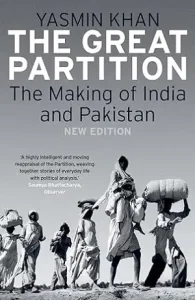
8. ‘The Great Partition’ by Yasmin Khan
In 1947, the promise of freedom through the partition of India—intended to deliver political and religious liberation and the creation of Pakistan—turned into a devastating reality, carving deeper divides and leaving countless lives in turmoil. This geographical split led to horrific violence: thousands of women were raped, over a million people were killed, and up to fifteen million were displaced as refugees. Yasmin Khan’s “The Great Partition” offers a compelling examination of this catastrophic event, blending incisive political analysis with a profound understanding of its social and cultural repercussions. Through new research, interviews, and archival sources, Khan sheds light on how the elite and activists on both sides were blind to the brutal realities of partition, revealing its enduring impact on the subcontinent. This book, published for the 60th anniversary of the partition, stands as a stark reminder of the human cost of a country torn apart.
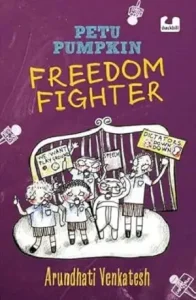
9. ‘Petu Pumpkin Freedom Fighter’ by Arundhati Venkatesh
When game periods are abruptly canceled, Petu and his friends uncover a sinister conspiracy that demands action. Inspired by the founders of our nation, they embark on a courageous quest for justice. Yet, their path is fraught with challenges: deceitful media, a ruthless real-estate mafia, opportunistic politicians, and menacing security guards. Can the Awesome Fivesome expose the land-grabbers and restore their beloved playground? Will they conquer the obstacles and bring justice to light?

10. ‘Footprints on Zero Line: Writings on the Partition’ by Gulzar
The Partition of 1947 has left an indelible mark on generations of writers, and its shadows still loom large. Gulzar, who experienced the upheaval of Partition firsthand, has delved into this poignant theme throughout his career. Footprints on Zero Line is a compelling anthology that gathers his most powerful works—spanning fiction, non-fiction, and poetry—on this harrowing subject. Gulzar’s sharp observations transcend the historical events of 1947, reflecting on their lingering impact on our present. Masterfully translated into English by the acclaimed Rakhshanda Jalil, this collection not only offers a profound exploration of a seismic event but also serves as a vital reminder: those who ignore the lessons of history are fated to relive its mistakes.
Books are love!
Get a copy now!