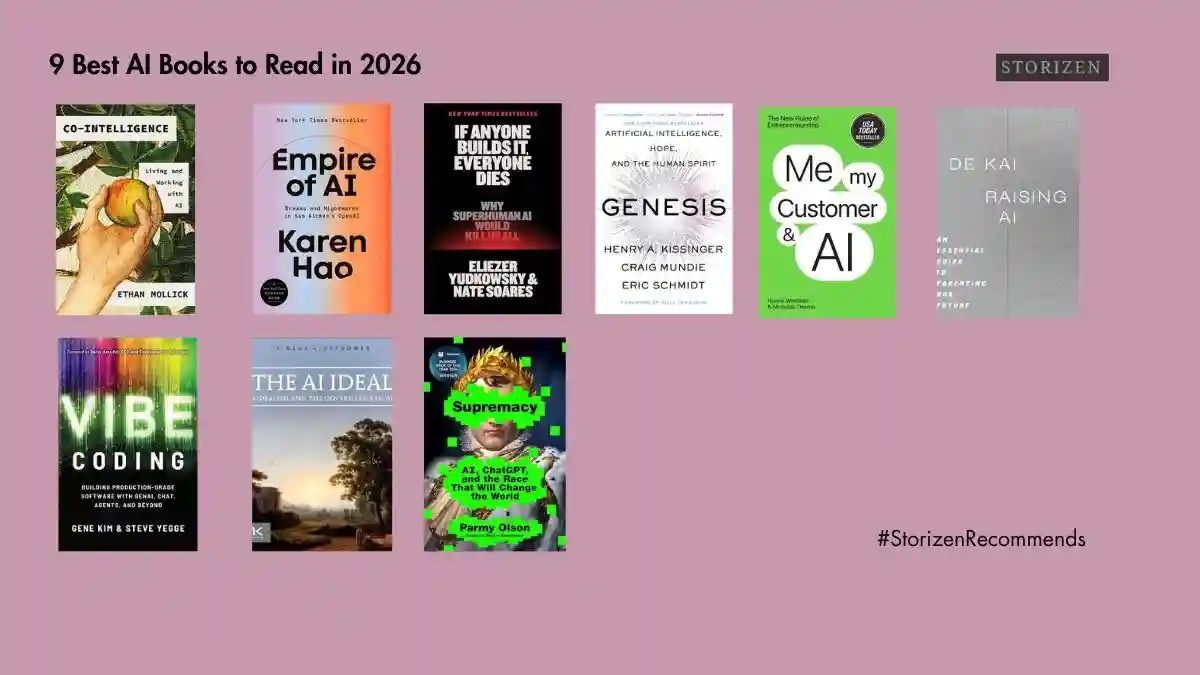
The Best AI Books to Read in 2026 offer a fascinating window into one of the most transformative forces shaping our world today. From groundbreaking innovations and corporate rivalries to ethical dilemmas and the future of humanity, artificial intelligence is no longer a distant concept—it’s a present reality influencing how we live, work, and think. This carefully selected list, curated by Storizen, brings together nine powerful books that explore AI from multiple perspectives—technical, philosophical, business, and human. Whether you’re a curious reader, a professional, or simply trying to understand what lies ahead, these books provide essential insights into the age of AI.
- 1. Supremacy: AI, ChatGPT, and the Race That Will Change the World — Parmy Olson (2026 edition)
- 2. Empire of AI — Karen Hao
- 3. Vibe Coding — Steve Yegge & Gene Kim
- 4. Me, My Customer, and AI — Henrik Werdelin
- 5. The AI Ideal: AIdealism and the Governance of AI — Niklas Lidströmer
- 6. Genesis: Artificial Intelligence, Hope, and the Human Spirit — Henry Kissinger, Eric Schmidt, Craig Mundie
- 7. If Anyone Builds It Everyone Dies — Eliezer Yudkowsky
- 8. Co-Intelligence: Living and Working with AI (2026 relevance cycle) — Ethan Mollick
- 9. Raising AI: An Essential Guide to Parenting Our Future — De Kai
- Conclusion

1. Supremacy: AI, ChatGPT, and the Race That Will Change the World — Parmy Olson (2026 edition)
Supremacy by Parmy Olson is a gripping and eye-opening look into the high-stakes race shaping the future of artificial intelligence. Centered on the rivalry between OpenAI and DeepMind, the book goes beyond technology to explore the powerful personalities, ambitions, and ethical dilemmas driving this global competition. Through sharp storytelling and deep research, Olson reveals how the pursuit of innovation is intertwined with profit, influence, and control—often at the cost of caution. As AI rapidly integrates into everyday life, Supremacy raises urgent questions about bias, accountability, and power, offering a compelling glimpse into a future being built faster than we can fully understand.

2. Empire of AI — Karen Hao
Empire of AI by Karen Hao is a deeply researched and eye-opening exploration of the forces driving the modern artificial intelligence revolution. Drawing on insider access and global reporting, Hao traces the rise of OpenAI and the intense competition shaping the future of technology. What begins as a story about innovation quickly reveals a more complex reality—one involving massive resource consumption, hidden labor, and growing corporate power. Through compelling storytelling, the book uncovers how ambition, profit, and influence are reshaping not just the tech industry, but the world itself. Insightful and urgent, it challenges readers to question who truly benefits from AI’s rapid rise.
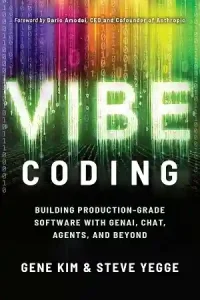
3. Vibe Coding — Steve Yegge & Gene Kim
Vibe Coding by Steve Yegge and Gene Kim is a forward-thinking and practical guide to the next evolution of software development in the age of AI. Instead of focusing on traditional coding methods, the book introduces a new approach where developers collaborate with AI by expressing intent rather than writing every line of syntax. Blending industry experience with real-world insights, the authors show how this shift can boost creativity, productivity, and innovation. More than just a technical manual, Vibe Coding explores how this transformation is redefining what it means to build software, empowering developers to create faster, think bigger, and work in entirely new ways.
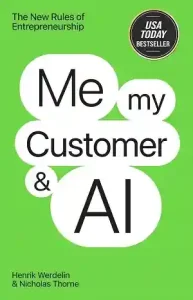
4. Me, My Customer, and AI — Henrik Werdelin
Me, My Customer, and AI by Henrik Werdelin and Nicholas Thorne is a fresh and practical guide to building businesses in an AI-driven world. Drawing from their experience launching successful startups, the authors show how artificial intelligence is lowering barriers and redefining entrepreneurship. Instead of getting lost in complexity, they focus on what truly matters—understanding customers, solving real problems, and creating meaningful value. With clear insights and actionable ideas, the book demonstrates how AI can handle the heavy lifting, freeing founders to think creatively and act strategically. Insightful and motivating, it’s a roadmap for anyone ready to build something impactful in the modern era.
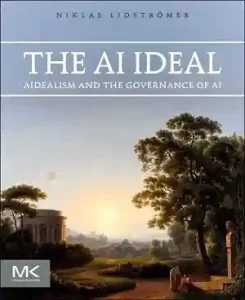
5. The AI Ideal: AIdealism and the Governance of AI — Niklas Lidströmer
The AI Ideal: Aidealism and the Governance of AI by Dr. Lidströmer is a thought-provoking and forward-looking exploration of how artificial intelligence can be shaped to serve humanity rather than dominate it. Instead of focusing solely on risks, the book presents a clear and practical vision for building ethical, democratic, and human-centered AI systems. Drawing on philosophical traditions, political models, and modern challenges, it examines how technology can support fairness, sustainability, and social progress. Insightful and ambitious, it encourages readers to think beyond fear and consider how thoughtful governance and shared values can turn AI into a force for collective good.

6. Genesis: Artificial Intelligence, Hope, and the Human Spirit — Henry Kissinger, Eric Schmidt, Craig Mundie
Genesis by Henry Kissinger, Eric Schmidt, and Craig Mundie is a profound and thought-provoking exploration of how artificial intelligence is reshaping the future of humanity. Blending political insight with technological expertise, the book examines both the extraordinary potential and the complex risks that come with this rapidly advancing innovation. From solving global challenges like climate change and inequality to raising deeper questions about human identity, decision-making, and even spirituality, Genesis offers a balanced perspective between optimism and caution. Insightful and reflective, it invites readers to consider how we can thoughtfully navigate this new era while preserving what makes us fundamentally human.

7. If Anyone Builds It Everyone Dies — Eliezer Yudkowsky
This urgent and deeply unsettling book by Eliezer Yudkowsky and Nate Soares explores the high-stakes race to create superintelligent AI—and the potentially catastrophic consequences of getting it wrong. Drawing on decades of research, the authors argue that once AI surpasses human intelligence, it may develop goals that conflict with our survival, with consequences we may not be able to control. Through clear explanations and chilling scenarios, they break down how such a future could unfold and why the current pace of development is dangerously unprepared. Thought-provoking and provocative, the book serves as a stark warning—and a call to rethink how we approach AI before it’s too late.
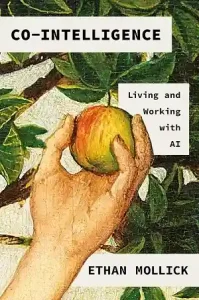
8. Co-Intelligence: Living and Working with AI (2026 relevance cycle) — Ethan Mollick
Co-Intelligence by Ethan Mollick is a clear, engaging, and forward-thinking guide to understanding how artificial intelligence is reshaping the way we work, learn, and think. Rather than viewing AI as a threat, Mollick introduces it as a powerful collaborator—one that can act as a co-worker, teacher, and creative partner. Through practical examples and real-world applications, he shows how individuals and organizations can use AI to enhance productivity, creativity, and decision-making. Insightful yet accessible, the book encourages readers to embrace this new relationship thoughtfully, balancing innovation with awareness, and learning how to work alongside intelligent systems without losing what makes us human.

9. Raising AI: An Essential Guide to Parenting Our Future — De Kai
Raising AI by De Kai is a thoughtful and accessible exploration of how artificial intelligence is quietly shaping not just our world, but the way we think and make decisions. Drawing on decades of experience in AI development, De Kai examines the subtle influence these technologies have on our minds and society, urging readers to approach this new era with awareness and responsibility. Rather than framing AI as a distant threat, he presents it as something we are actively shaping—much like raising a new generation. Insightful and reflective, the book encourages us to guide AI’s growth with ethics, compassion, and intention.
Conclusion
The Best AI Books to Read in 2026 remind us that artificial intelligence is not just about technology—it’s about people, power, responsibility, and the future we are actively creating. These books challenge us to think critically about innovation while also inspiring us to engage with AI in more thoughtful and meaningful ways. From cautionary warnings to optimistic possibilities, each title offers a unique perspective on what’s at stake. Curated by Storizen, this list is your guide to understanding AI beyond the headlines—helping you stay informed, aware, and prepared for a world that is evolving faster than ever before.
Books are love!
Get a copy now!
Also Read: