Preparing for the UPSC Civil Services Examination is a journey that demands the right strategy, consistency, and most importantly—the right resources. With an overwhelming number of books available, choosing the most effective ones can be a challenge for aspirants. That’s why this carefully selected list of the Best Books to Read if you are Preparing for UPSC in 2026 brings together the most trusted, exam-focused, and highly recommended titles across key subjects. Curated by Storizen, this list is designed to help you build strong fundamentals, connect static concepts with current affairs, and approach both Prelims and Mains with confidence and clarity.
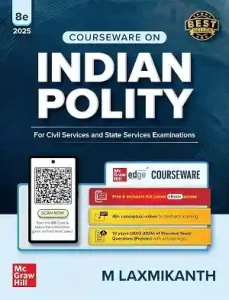
1. Indian Polity — M. Laxmikanth (Latest Edition 2025–26)
This latest edition of Indian Polity by M. Laxmikanth goes beyond a traditional textbook, offering a complete and engaging learning experience for aspirants. Covering the entire constitutional and political framework in detail, it combines in-depth content with modern tools like conceptual videos, practice questions, and a full-color digital version for flexible learning. Designed to simplify complex topics, it also includes previous years’ questions and insightful appendices to strengthen preparation. Ideal for UPSC and other competitive exams, this comprehensive courseware helps learners build clarity, improve retention, and approach the subject with confidence and a well-rounded understanding.
- Subject: Polity (GS Paper II)
- Why read: Bible for UPSC polity
- Covers Constitution, governance, parliament
- Recommended by almost every topper
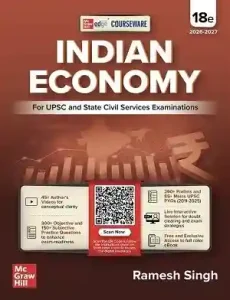
2. Indian Economy — Ramesh Singh (Latest Edition)
This updated edition of Indian Economy by Ramesh Singh is more than just a textbook—it’s a complete preparation companion for UPSC aspirants. Blending conceptual clarity with an exam-focused approach, it covers everything from core economic principles to the latest updates from the Economic Survey, Union Budget, and government policies. What truly sets it apart is its integrated learning system, including author-led video lectures, practice questions, and model answers that guide you through Prelims, Mains, and Interview stages. With smart tools like “Exam Essentials” and “Think Box,” this book helps you study strategically, build strong fundamentals, and confidently tackle the complexities of the Indian economy.
- Subject: Economy (GS Paper III)
- Why read: Simplifies complex economic concepts
- Links static + current affairs
- Widely used for UPSC 2026 prep
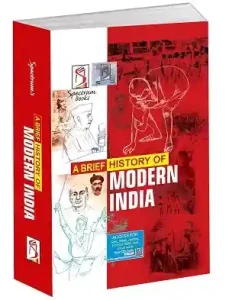
3. A Brief History of Modern India — Spectrum (Rajiv Ahir)
This comprehensive history book takes readers through one of the most defining phases of India’s past, beginning with the arrival of European powers and tracing the gradual rise of British rule up to independence in 1947. Alongside political developments, it explores social and economic changes, reform movements, the evolution of education and the press, and the far-reaching impact of colonial policies. The book also sheds light on post-independence challenges and key milestones in modern India’s journey. Enriched with updated content, detailed appendices, and insights into important personalities—including women freedom fighters—it serves as a well-rounded and insightful resource for understanding India’s historical and political evolution.
- Subject: Modern History
- Why read: Timeline-based, easy revision
- Covers freedom struggle
- One of the most recommended history books
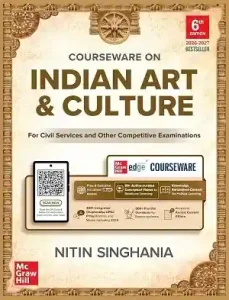
4. Indian Art and Culture — Nitin Singhania (Latest Edition)
This updated edition of Indian Art and Culture by Nitin Singhania is a complete, exam-focused resource designed to make learning both engaging and effective for UPSC aspirants. Covering everything from visual and performing arts to literature, heritage, and cultural traditions, the book blends in-depth content with modern learning tools like conceptual videos, infographics, and practice questions. Its structured approach, along with features like “Exam Essentials” and quick revision aids, helps simplify complex topics and improve retention. With integrated previous years’ questions and digital support, this courseware offers a well-rounded preparation experience, enabling learners to build strong conceptual clarity and confidently tackle the culture section.
- Subject: Culture (GS Paper I)
- Why read: Complete coverage for Prelims + Mains
- Essential for scoring in culture section

5. Certificate Physical and Human Geography — G.C. Leong
Certificate Physical and Human Geography by G.C. Leong is a trusted classic that has helped generations of aspirants build a strong foundation in geography. Known for its clear and concise approach, the book explains complex topics like climate, landforms, vegetation, agriculture, and industries in a simple, easy-to-understand manner. Its structured format, supported by maps, diagrams, and illustrations, makes learning both effective and engaging. Ideal for UPSC and other competitive exams, it caters to both beginners and advanced learners, offering conceptual clarity that is essential for tackling geography questions with confidence and accuracy.
- Subject: Geography
- Why read: Strong conceptual clarity
- Important for mapping + fundamentals
- Standard geography book for UPSC
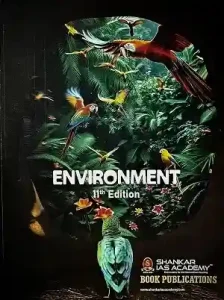
6. Environment — Shankar IAS (Latest Edition)
Environment by Shankar IAS Academy (11th Edition) is one of the most reliable and widely recommended resources for mastering environmental studies for UPSC and other competitive exams. Designed with an exam-oriented approach, the book covers key topics like ecology, biodiversity, climate change, environmental policies, and conservation efforts in a clear and structured manner. Its updated content reflects the latest developments and current affairs, making it highly relevant for Prelims and Mains. With a visually rich presentation, easy explanations, and strong conceptual focus, this book helps aspirants build a solid understanding of environmental issues and confidently tackle related questions.
- Subject: Environment & Ecology
- Why read: Covers static + current environment topics
- Highly recommended for Prelims

7. Introduction to the Constitution of India — D.D. Basu (Updated)
Introduction to the Constitution of India by Durga Das Basu remains a timeless and authoritative guide to understanding India’s constitutional framework. In its updated 28th edition, this classic work continues to simplify complex legal provisions, making them accessible to students, aspirants, and professionals alike. Covering essential topics such as fundamental rights, directive principles, constitutional amendments, and key judicial interpretations, the book offers both depth and clarity. Enriched with the latest legal developments, it serves as an indispensable resource for UPSC preparation, legal studies, and general understanding, making it a must-read for anyone seeking a strong grasp of India’s constitutional structure.
- Subject: Polity (advanced)
- Why read: Deep conceptual understanding
- Useful for Mains answers

8. Economic Survey & Budget (2025–26 Edition) — Govt. of India
The Economic Survey 2025–26, published by the Government of India, is an essential and authoritative resource for understanding the country’s economic performance and policy direction. Covering key sectors like agriculture, industry, services, and trade, it offers in-depth analysis of macroeconomic trends, fiscal policies, and major government initiatives. Widely used by UPSC aspirants and students, the survey presents valuable data, insights, and expert commentary that help build a strong conceptual and analytical foundation. Whether for exam preparation or general awareness, this document provides a clear picture of India’s economic challenges, achievements, and future growth outlook in a structured and accessible manner.
- Subject: Current Affairs + Economy
- Why read: Most important dynamic content source
- Direct questions in Prelims & Mains
- Must-read for current-based questions
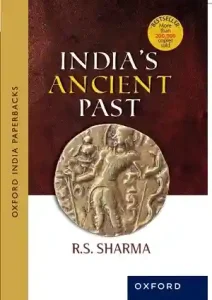
9. India’s Ancient Past — R.S. Sharma
India’s Ancient Past by R.S. Sharma is a widely respected and insightful guide that brings India’s early history to life in a clear and engaging way. Spanning from prehistoric times to the era of Harshavardhana, the book explores major civilizations, empires, and cultural developments while placing them within their social and economic context. It thoughtfully covers key periods like the Harappan and Vedic ages, the rise of the Mauryas, and the growth of Buddhism and Jainism. Known for its simple language and strong narrative, this book makes complex historical concepts easy to grasp, making it an essential read for students, aspirants, and anyone curious about India’s rich ancient heritage.
- Subject: Ancient History
- Covers same foundation concepts as NCERT (Ancient India)
- More analytical + exam-oriented
The Best Books to Read if you are Preparing for UPSC in 2026, thoughtfully curated by Storizen, serve as a solid foundation for your preparation journey. Each book on this list has been chosen for its relevance, clarity, and proven success among toppers and aspirants alike. While books are essential, success in UPSC ultimately depends on how well you understand, revise, and apply the knowledge. With the right resources and a disciplined approach, you can streamline your preparation, avoid information overload, and stay focused on what truly matters—cracking one of India’s toughest exams with confidence.
Books are love!
Get a copy now!
Also Read: