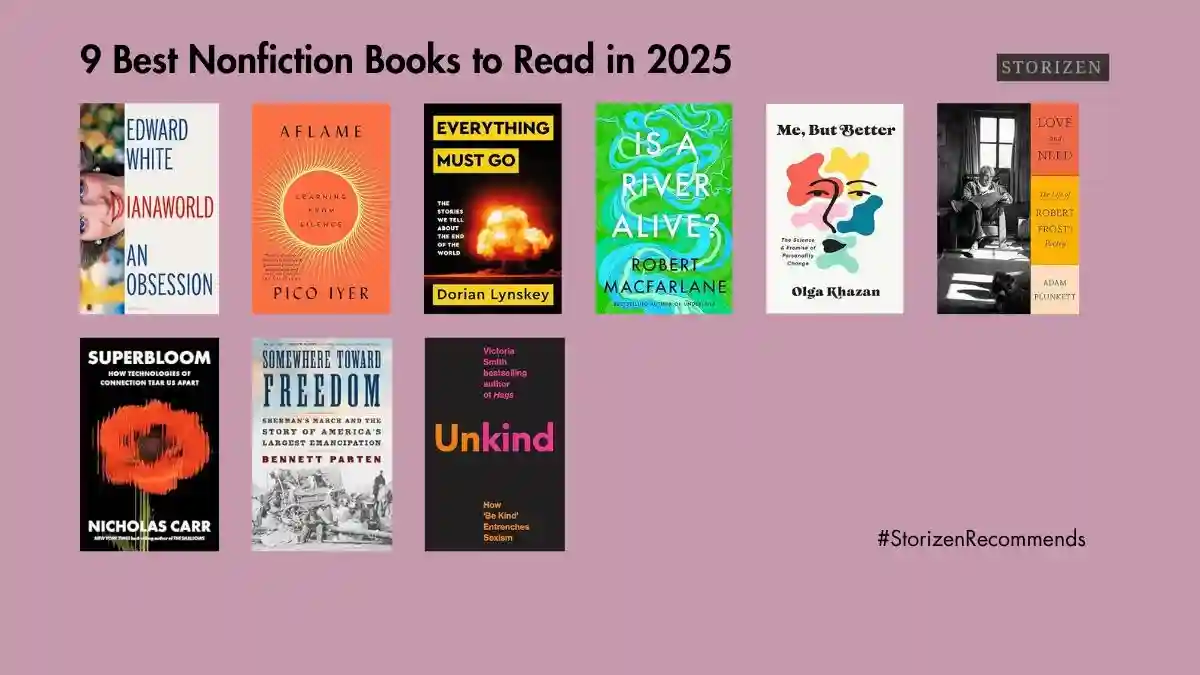
As we look ahead to 2025, it’s the perfect time to dive into some of the most thought-provoking and transformative nonfiction books of the year. Whether you’re seeking insights into personal growth, historical perspectives, or cultural critiques, these books promise to engage, challenge, and inspire. Curated by Storizen, we’ve rounded up the Best Nonfiction Books to Read in 2025 that offer compelling narratives, fresh perspectives, and profound reflections on the world we live in. From the examination of kindness culture to the revitalization of environmental consciousness, these books are sure to leave a lasting impact on readers everywhere.
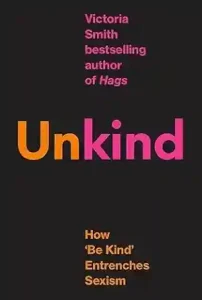
1. (Un)kind by Victoria Smith
In (Un)kind, Victoria Smith unpacks how the modern push for kindness, exemplified by the #JustBeKind movement, is weaponized against women, repackaging outdated expectations of female self-sacrifice into a seemingly progressive ideal. From self-help to activism, empowerment to everyday interactions, kindness culture has not lessened the pressure on women but instead absorbed it into the labor of feminism itself. By distorting relationships and reinforcing societal dependence on women’s unpaid emotional labor, this phenomenon ultimately undermines both feminism and the very women it claims to uplift—revealing that, at its core, it is anything but kind.

2. Dianaworld: An Obsession by Edward White
In Dianaworld, Edward White goes beyond the myth to explore the many faces of Princess Diana—adored, criticized, and eternally iconic. More than just a portrait of the princess, the book examines those who shaped and were shaped by her—from the royal family and aristocracy to artists, drag performers, and Gen Z superfans who keep her legacy alive. Drawing from fresh sources and untold perspectives, White paints a vivid picture of Diana’s world, the evolution of her global influence, and the enduring impact she left behind.
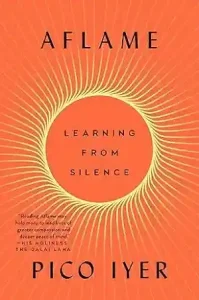
3. Aflame: Learning from Silence by Pico Iyer
In Aflame, Pico Iyer reflects on the transformative power of silence, drawn from over one hundred retreats to a Benedictine hermitage in Big Sur, California. Not bound by religious tradition, Iyer finds clarity and joy in these silent retreats, which reconnect him with deeper truths often overshadowed by life’s noise and chaos. Amidst personal loss and change, including a house fire, the death of a parent, and his daughter’s cancer diagnosis, Iyer explores how solitude can nurture both inner peace and community. With profound insights into monastic life and the lessons silence offers, Aflame is a radiant meditation on how solitude can teach us to live, love, and prepare for the inevitable.
Also Read: 9 Must-Read Historical Fiction Books in 2025
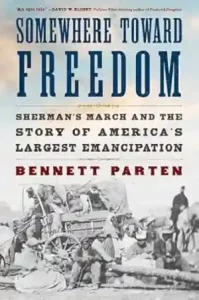
4. Somewhere Toward Freedom by Bennett Parten
In Somewhere Toward Freedom, historian Bennett Parten offers a groundbreaking perspective on Sherman’s March to the Sea—not as mere military strategy, but as the largest liberation event in American history. As General William T. Sherman’s army carved its path through Georgia in 1864, tens of thousands of enslaved people seized the moment to self-emancipate, enduring grueling marches, harsh conditions, and the racial prejudices that persisted even within Union ranks. By reframing this pivotal campaign through their eyes, Parten reveals how their courage not only reshaped the war’s trajectory but also laid the groundwork for early Reconstruction efforts—however fleeting they proved to be. A vital, eye-opening account, Somewhere Toward Freedom restores these often-overlooked voices to the heart of Civil War history.

5. Everything Must Go by Dorian Lynskey
In The End Is Always Near, Dorian Lynskey explores humanity’s enduring obsession with apocalypse, tracing how our fears of the end—once rooted in biblical prophecy—have evolved into secular visions of nuclear war, climate catastrophe, pandemics, and AI takeovers. From 19th-century anxieties to today’s crises, he examines how literature, science fiction, and film have mirrored real-world scientific and political developments, shaping our collective imagination of doom. As we face escalating global threats, Lynskey’s gripping cultural history reveals that every generation has anticipated the end—yet life has always carried on, making this a timely and thought-provoking reflection on our past, present, and future.

6. Love and Need: The Life of Robert Frost’s Poetry by Adam Plunkett
In Love and Need: The Life of Robert Frost’s Poetry, Adam Plunkett reexamines the beloved poet’s legacy, bridging the gap between the sentimentalized icon and the harsh portrayals that followed his death. Blending biography and literary criticism, Plunkett uncovers a more nuanced Frost—one shaped by complex relationships and a deep, often concealed engagement with poetic tradition. Through a fresh reading of his most intimate connections and enduring works, this book challenges long-held narratives, inviting readers into a deeper conversation with the man behind America’s most cherished verses.
Also Read: 9 Best YA Books to Read in 2025

7. Is a River Alive by Robert Macfarlane
In Is a River Alive?, Robert Macfarlane challenges us to see rivers not as resources for human use but as living beings deserving of rights and recognition. Traveling from the threatened cloud-forests of Ecuador to the struggling waterways of India and the fiercely defended Magpie River in Quebec, he weaves a powerful, deeply personal exploration of the fight to protect these lifelines. Urgent and thought-provoking, this book redefines our relationship with nature, reminding us that our survival is inseparably tied to the fate of our rivers.
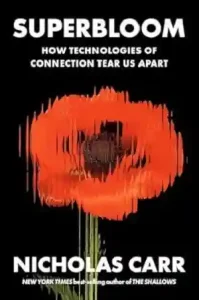
8. Superbloom: How Technologies of Connection Tear Us Apart by Nicholas Carr
In Superbloom, Nicholas Carr dismantles the myth that more communication leads to greater understanding. From the rise of the telegraph to the dominance of social media, he reveals how each leap in communication technology has fueled confusion, conflict, and a loss of empathy. With sharp psychological insights and historical depth, Carr explores how digital crowding, AI, and online discourse distort our perceptions and weaken our ability to connect meaningfully. Provocative and deeply relevant, Superbloom forces us to confront the consequences of our hyper-connected world—and what we can do to reclaim clarity and control.
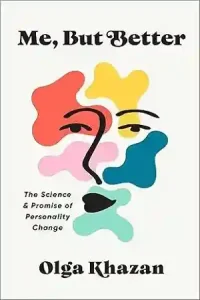
9. Me, But Better: The Science and Promise of Personality Change by Olga Khazan
In Me, But Better, Olga Khazan embarks on a bold, year-long experiment to see if she can change her personality—and, in turn, her life. Struggling with neurotic overachievement and lingering dissatisfaction, she dives into the science of personality change, testing evidence-backed techniques to become happier, healthier, and more fulfilled. From improv to meditation, she fakes it in hopes of making it, bringing a skeptic’s eye to self-improvement. Witty, insightful, and deeply relatable, Me, But Better is a fascinating exploration of transformation—proving that change is possible, even when it feels uncomfortable.
In conclusion, the Best Nonfiction Books to Read in 2025 are not just about expanding our knowledge but also about challenging the way we view the world and ourselves. These books offer unique explorations into subjects that resonate deeply with the current times, from societal expectations to the environmental crises we face. As you dive into these selections, expect to find stories that push boundaries, spark introspection, and provide new perspectives that will stay with you long after the final page is turned. Make sure to add these thought-provoking reads to your list and let them guide you through the year ahead.
Also Read: 9 Best Sci-Fi and Fantasy Books to Read in 2025
Books are love!
Get a copy now!