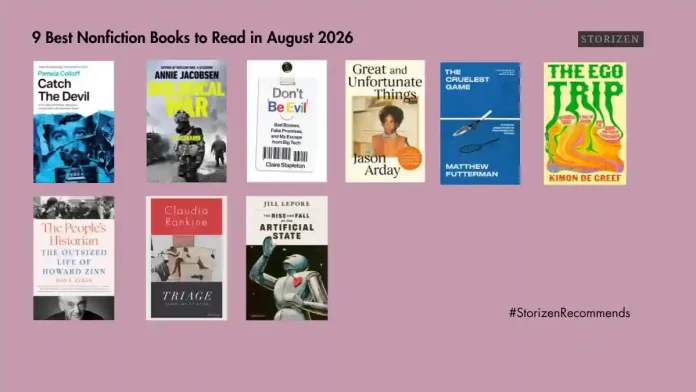
From groundbreaking investigations and powerful memoirs to thought-provoking cultural criticism and compelling historical narratives, August 2026 brings an outstanding lineup of nonfiction releases that inform, inspire, and challenge readers. This month’s selection explores everything from the realities of professional sports and the ethical dilemmas of artificial intelligence to remarkable personal journeys, true crime, and the evolving landscape of modern society. If you’re searching for the Best Nonfiction Books to Read in August 2026, this carefully curated list features nine exceptional titles that combine meticulous research with unforgettable storytelling. Whether you’re looking to expand your knowledge, gain fresh perspectives, or dive into captivating real-life stories, these books deserve a spot on your reading list.

1. The Cruelest Game by Matthew Futterman
In The Cruelest Game, Matthew Futterman takes readers behind the scenes of professional tennis, revealing the immense pressure, sacrifice, and resilience required to compete at the sport’s highest level. Drawing on unparalleled access to elite players, coaches, and tournaments, the book explores the personal and professional challenges faced by both established champions and rising stars. Blending insightful reporting with compelling storytelling, it offers a fascinating portrait of the physical, mental, and emotional demands of modern tennis, making it an essential read for sports enthusiasts and anyone intrigued by the pursuit of greatness.

2. Triage by Claudia Rankine
In Triage, Claudia Rankine delivers a deeply reflective work that examines friendship, memory, and the emotional toll of living through an era of division and loss. When two longtime friends reunite after years of silence, their conversation becomes a powerful exploration of fractured ideals, personal grief, and the enduring bonds that shape us. Blending memoir, cultural criticism, and lyrical prose, Rankine crafts an intimate and thought-provoking narrative that challenges readers to confront uncomfortable truths while embracing the transformative potential of empathy, dialogue, and human connection.

3. Biological War by Annie Jacobsen
In Biological War, Annie Jacobsen presents a chilling, meticulously researched exploration of how a biological attack could reshape the world within days. Drawing on interviews with leading experts in national security, public health, and military strategy, the book traces a plausible chain of events following the release of a deadly biological agent. Blending investigative journalism with a gripping scenario-driven narrative, Jacobsen examines the vulnerabilities of modern society and the immense challenges of responding to an invisible threat, offering a sobering look at one of the most pressing security risks of our time.

4. The Rise and Fall of the Artificial State by Jill Lepore
In The Rise and Fall of the Artificial State, Jill Lepore offers a compelling examination of how technology, data, and artificial intelligence have reshaped modern democracy and concentrated power in unprecedented ways. Blending history, politics, and cultural analysis, Lepore traces the origins of today’s digital landscape, revealing how technological ambitions have often eclipsed democratic values and accountability. Insightful and thought-provoking, the book challenges the notion that our AI-driven future is inevitable, arguing instead that informed citizens can reclaim institutions, restore democratic principles, and imagine a more equitable path forward.
Check out our latest Book Reviews
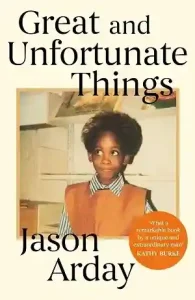
5. Great and Unfortunate Things by Jason Arday
In Great and Unfortunate Things, Jason Arday shares an inspiring memoir of resilience, determination, and the extraordinary impact of unwavering belief. Diagnosed with autism and global developmental delay as a child, Arday overcame immense challenges—including speaking his first word at eleven and learning to read at eighteen—to become the youngest Black professor in the history of the University of Cambridge. Honest, moving, and deeply uplifting, the book celebrates the power of family, mentorship, and perseverance, offering a remarkable testament to the human spirit’s ability to defy expectations and transform adversity into achievement.
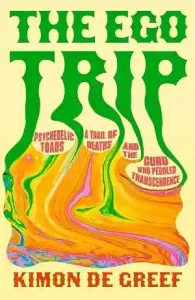
6. The Ego Trip by Kimon De Greef
In The Ego Trip, Kimon de Greef delivers a compelling investigation into the rise of a controversial psychedelic movement centered on the Sonoran Desert toad and its powerful psychoactive secretion. Following the meteoric ascent of physician Octavio Rettig, the book explores how promises of healing, spiritual awakening, and personal transformation gradually gave way to allegations of manipulation, abuse, and cult-like devotion. Blending investigative journalism, true crime, and cultural analysis, this gripping narrative examines the fine line between faith and exploitation while questioning humanity’s enduring pursuit of transcendence.
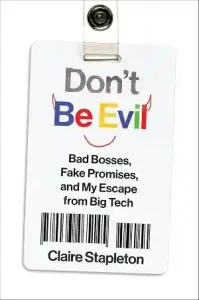
7. Don’t Be Evil: Bad Bosses, Fake Promises, and My Escape from Big Tech by Claire Stapleton
In Don’t Be Evil, Claire Stapleton offers a sharp and revealing memoir of her twelve years at Google, chronicling the company’s transformation from an idealistic tech pioneer to a corporate giant grappling with questions of power, ethics, and accountability. Blending personal experiences with insider insights, Stapleton recounts her role in shaping Google’s public image before becoming a leading voice behind the landmark 2018 employee walkout. Witty, candid, and thought-provoking, the book explores the complexities of workplace culture, corporate responsibility, and the difficult choice between reforming a system from within or walking away.
Also Read: 9 Best Books to Read in August 2026
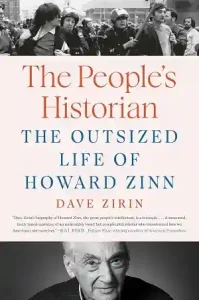
8. The People’s Historian: The Outsized Life of Howard Zinn by Dave Zirin
In The People’s Historian, Dave Zirin presents a compelling biography of the influential historian and activist Howard Zinn, tracing his life alongside the defining social and political movements of modern America. From the Great Depression and World War II to the Civil Rights Movement and the Vietnam War, Zirin explores how Zinn’s scholarship and activism challenged conventional narratives of history and inspired generations to question power and injustice. Richly researched and deeply engaging, the book is both a tribute to Zinn’s enduring legacy and a thoughtful reflection on the continuing struggle for democracy, equality, and social change.

9. Catch the Devil by Pamela Colloff
In Catch the Devil, Pamela Colloff uncovers the astonishing true story of a prolific con man whose lies helped send innocent people to prison, including one man to death row. Through meticulous investigative reporting, Colloff traces the decades-long trail of deception left by serial fraudster Paul Skalnik, exposing deep flaws within the criminal justice system that rewarded unreliable testimony over the pursuit of truth. Gripping, meticulously researched, and deeply unsettling, this true-crime account is a powerful examination of corruption, wrongful convictions, and the devastating human cost of unchecked deception.
The Best Nonfiction Books to Read in August 2026 showcase the incredible power of real stories to educate, provoke, and inspire. From investigative journalism and historical biographies to memoirs, social commentary, and true crime, these remarkable releases offer fresh insights into the people, events, and ideas shaping our world. Whether you’re passionate about history, technology, politics, psychology, sports, or personal resilience, there’s something in this collection to captivate every curious reader. Add these outstanding nonfiction titles to your TBR, and let August 2026 be a month of discovering stories that deepen your understanding of the world while leaving a lasting impact.
Books are love!
Get a copy now!