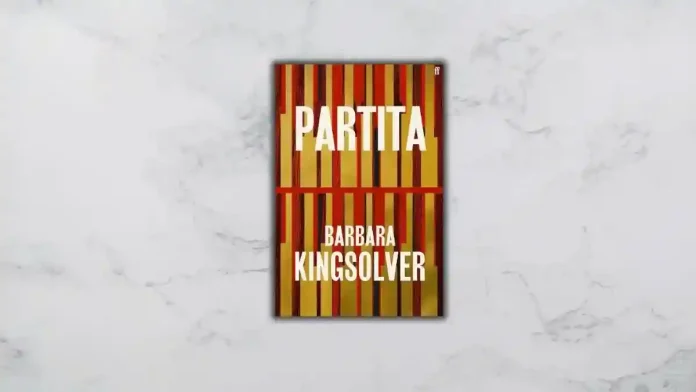
October 27, 2026: Following the global triumph of her Pulitzer Prize–winning novel Demon Copperhead, Barbara Kingsolver has officially returned to the literary spotlight with one of the most anticipated releases of autumn 2026.
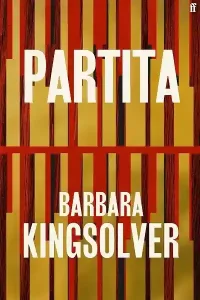
Released on October 6, 2026, by HarperCollins—and selected as the official October Read With Jenna pick—Partita shifts Kingsolver’s lens from sweeping social outcry to an intimate, chamber-piece exploration of artistic ambition, class barriers, and long-buried first love.
Constructed like a baroque musical suite, Partita is already earning critical acclaim from major literary publications, positioning Kingsolver as an early frontrunner for the 2027 awards season.
- The Plot: A Dual-Timeline Symphony of Memory and Art
- The narrative centers on Livia Cable, a former piano prodigy who escaped a traumatic, impoverished upbringing in rural East Tennessee to attend an elite urban music conservatory.
- The Past (1980s Conservatoire): A young Livia pours her grief and ambition into mastering the piano. Her path shifts dramatically when she enters an intense, consuming love affair with Sigurd, a privileged fellow musician whose world of cultural ease directly contrasts with Livia’s working-class background.
- The Present (Tennessee Farm): Decades later, middle-aged Livia leads a quiet life giving local piano lessons on the Tennessee farm she inherited, alongside her grounded husband, Charlie. Her settled world is disrupted when an unexpected phone call from Sigurd forces her to confront the decisions, sacrifices, and unspoken truths that altered her artistic trajectory.
4 Pillars Driving the Critical Praise for ‘Partita’
- Structural Genius Modeled After Bach
Borrowing its name from the baroque form made famous by J.S. Bach, Partita organizes its chapters around traditional dance movements—Overture, Sarabande, Fugue, Toccata, and Da Capo. Rather than an ornamental gimmick, the structure serves as the novel’s thematic engine, mirroring how memories repeat, shift key, and echo across a lifespan.
- Uncompromising Examination of Class in Art
Kingsolver returns to her core career inquiry: Who gets to make art, and what does society demand they surrender for it? Livia’s journey highlights the invisible financial and social safety nets that allow wealthy artists to thrive while working-class talents are forced to make trade-offs.
- A Grounded, Mature Second-Chance Romance
Rather than leaning into sentimental clichés, Partita approaches Livia and Sigurd’s reconnection with dry, reflective honesty. It addresses the complicated “what-ifs” of youth without minimizing the dignity or real affection found in a quiet, long-term marriage.
- Kingsolver’s Unmatched Prose Cadence
Critics have praised Livia’s narrative voice as old, dry, and deeply interior—reminiscent of Kingsolver’s classic works like Prodigal Summer and Animal Dreams.
Check out the latest News
While less politically aggressive than Demon Copperhead, Partita showcases a master craftsman at the absolute top of her form. It stands as an essential, tender, and deeply rewarding addition to 2026’s literary landscape.