

Book Title: The Bengal Reader: The Finest Fiction, Non-Fiction, Poetry, and Plays from the Bengali
Author: Arunava Sinha
Publisher: Aleph Book Company
Number of Pages: 600
ISBN: 9365230845
Date Published: Jan. 5, 2026
Price: INR 935
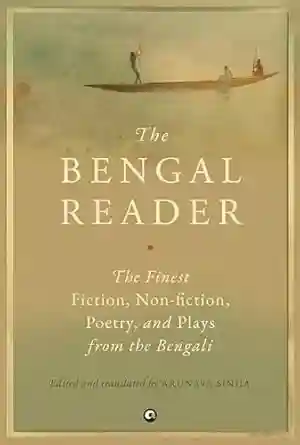
Book Review
“The Bengal Reader: The Finest Fiction, Non-fiction,Poetry, and Plays from the Bengali” stands as a monumental literary achievement, bringing together two centuries of Bengali writing in translation within a single, sweeping volume. Edited and translated by Arunava Sinha, whose sensitivity to language and history is evident throughout, the anthology opens up Bengal’s rich intellectual and creative life to both Bengali and non-Bengali readers. Arranged chronologically, the book allows literature to unfold as a living conversation with time—shaped by reform, rebellion, introspection, and renewal. What emerges is not a tidy canon, but a restless, questioning tradition that has constantly redefined itself.
The early sections capture the ferment of nineteenth-century Bengal, an era energized by print culture and intense moral debate. Writers such as Rammohun Roy, Ishwarchandra Vidyasagar, and Bankim Chandra Chattopadhyay used essays, satire, polemics, and fiction to interrogate customs like sati and widow remarriage, often grounding their arguments in close readings of the shastras. These texts reveal a society wrestling with scripture, reason, and compassion, as reformist ideals collided with orthodox resistance. The anthology thoughtfully preserves this argumentative spirit, showing how Bengali literature became a forum where ethics, religion, and social progress were debated with rigor and urgency, setting the intellectual foundations for modern India.
Check out our Latest Book Reviews
As the book moves forward in time, it broadens into an astonishing range of voices and genres. Alongside Rabindranath Tagore’s towering presence, readers encounter Sarat Chandra Chattopadhyay’s emotional realism, the scientific essays of Jagadish Chandra Bose and Meghnad Saha, and the playful brilliance of Sukumar Ray. Fictional worlds sit beside philosophical inquiry and political reflection: from the mythic grandeur and tragic grief in retellings of epics, to stark portrayals of colonial violence, rebellion, and the erosion of dignity under British rule. Women’s inner lives, domestic labor, and quiet endurance surface repeatedly, lending emotional depth to historical upheavals and reminding us that literature often records what official histories overlook.
The later sections pulse with dissent and reinvention, featuring writers who challenged entrenched hierarchies and artistic norms—Satyajit Ray, Ritwik Ghatak, Ashapurna Devi, and contemporary poets and authors engaging with caste, body politics, media, and consumerism. Sinha frames this explosion of talent as a “happy concatenation,” born of accessible magazines and affordable books that democratized literary culture.
Also Read: Book Review: ‘That Devil, Ambition’ by Linsey Miller
By the end, “The Bengal Reader” feels less like an anthology and more like a literary ecosystem—vast, polyphonic, and unfinished. It is a book that does not merely preserve Bengal’s literary past, but affirms its enduring capacity to question, disturb, and imagine anew, making it a volume destined to outlast generations.
Books are love!
Get a copy now!